Contact for Rates
Budget guidance and next steps
Contact us to discuss
For designers, models, actors, and brands who need clear editorial portraits and campaign shots. We work in studio and on location, keeping direction simple so each image reads like an idea for a look or story. Two profile frames included
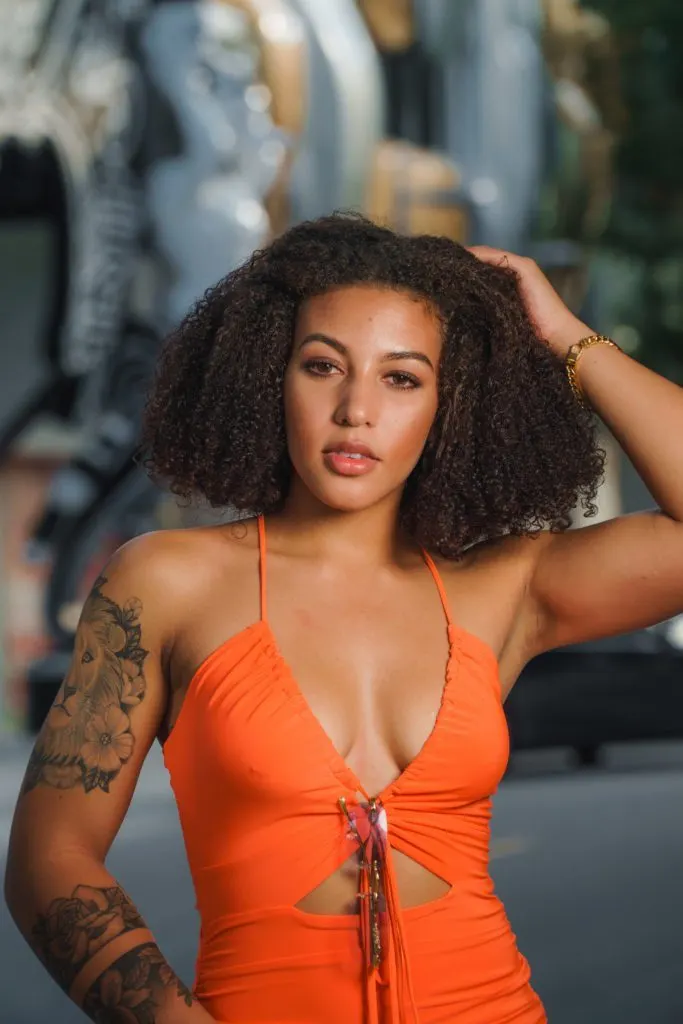
The brief can aim to show a small seasonal capsule across editorial portraits and product-focused campaign frames for lookbooks and press. Early planning could map seven to ten looks across two settings. The shoot plan can schedule wardrobe, hair ideas, and a short shot order that prioritizes a key hero image plus supporting portraits. Direction stays conversational and precise to keep the model relaxed and expressive. This approach aims to deliver a cohesive set of images that read as both editorial spreads and campaign visuals for catalog or online channels.
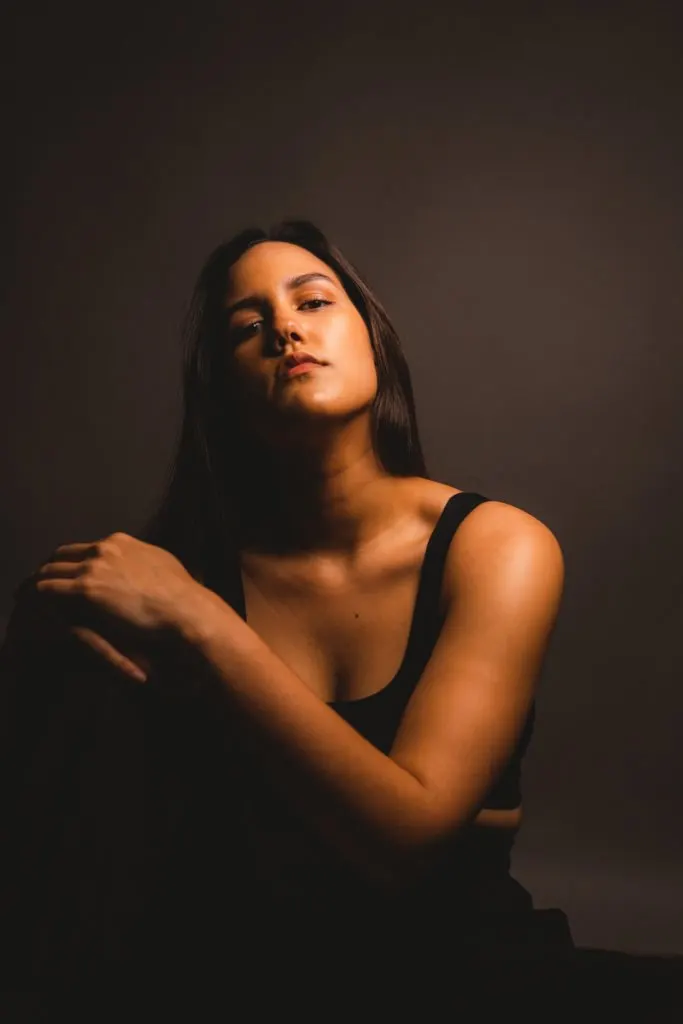
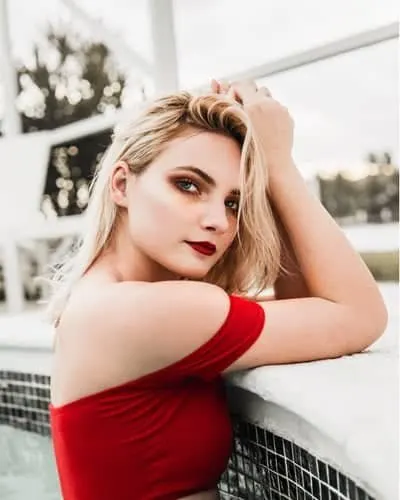
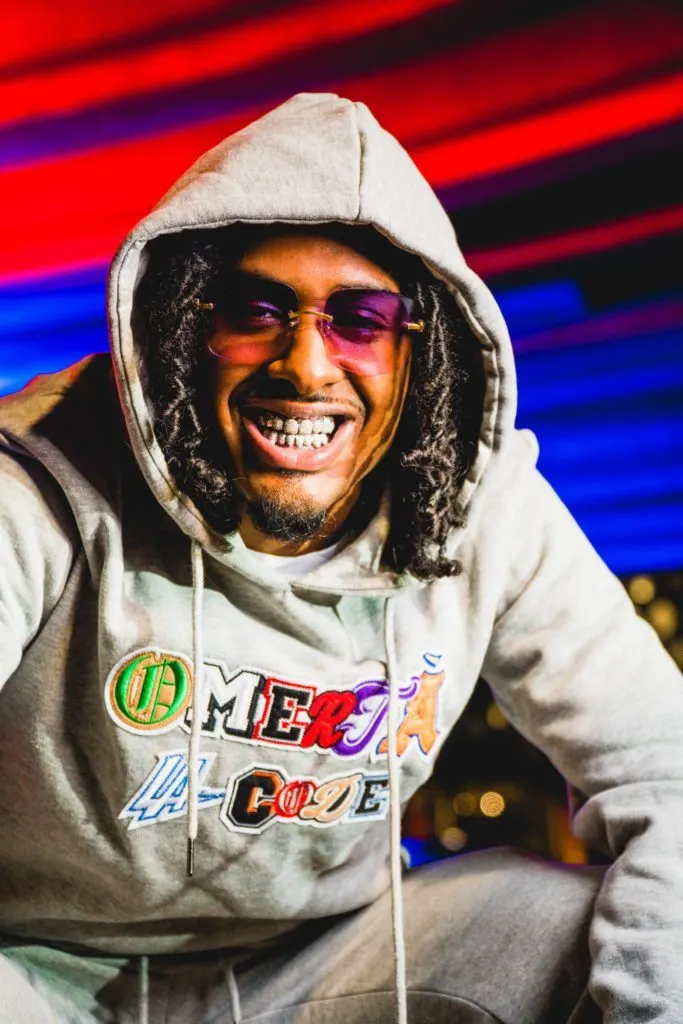
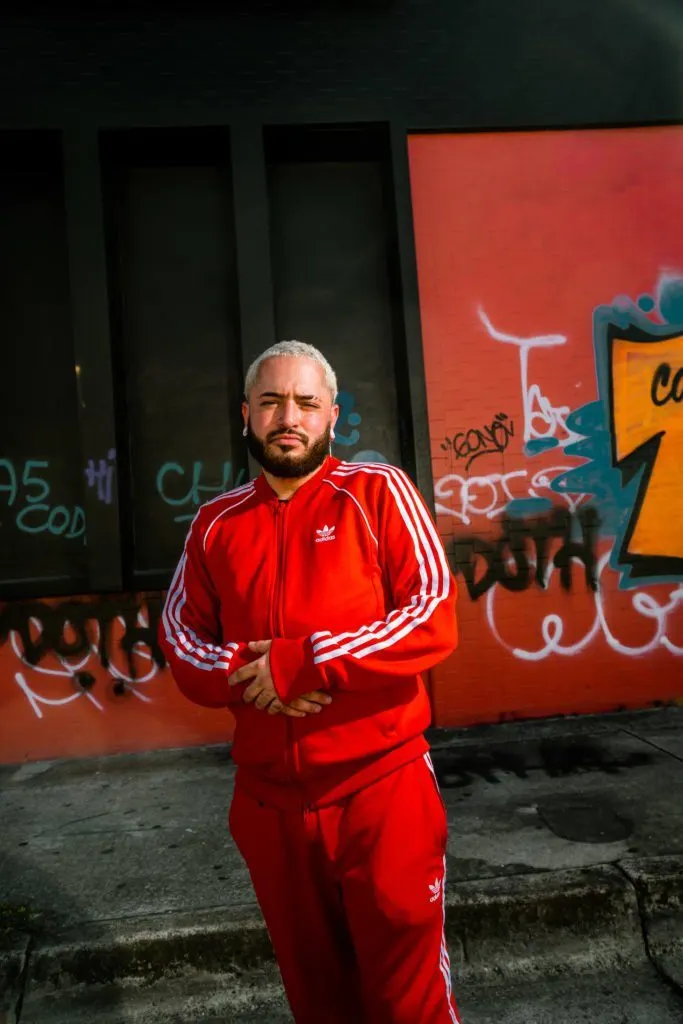
Explore a selection of our work.
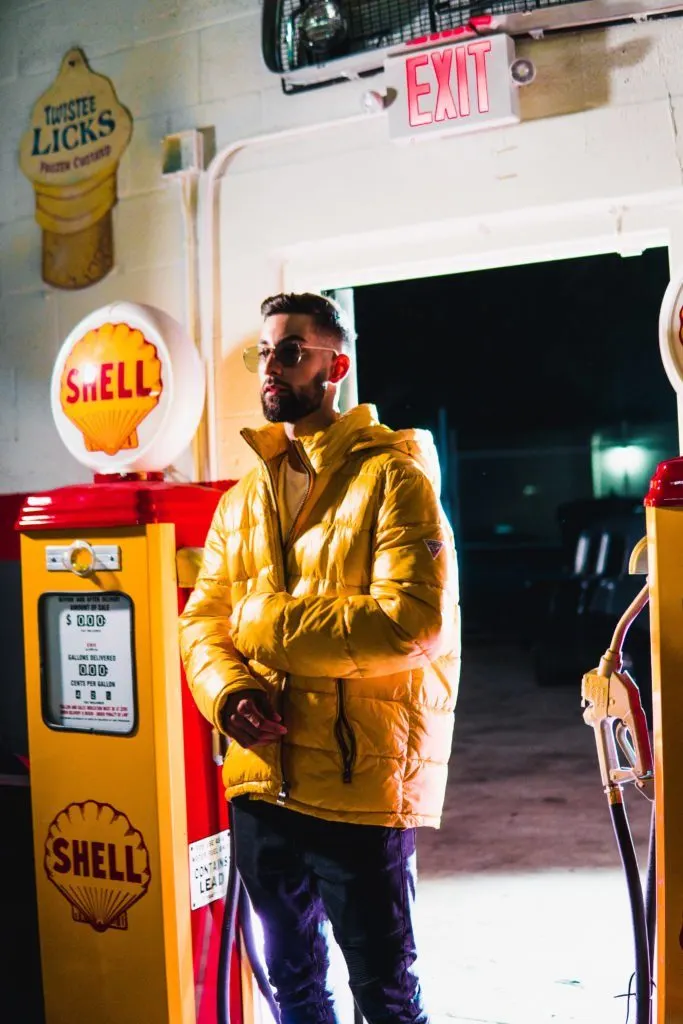
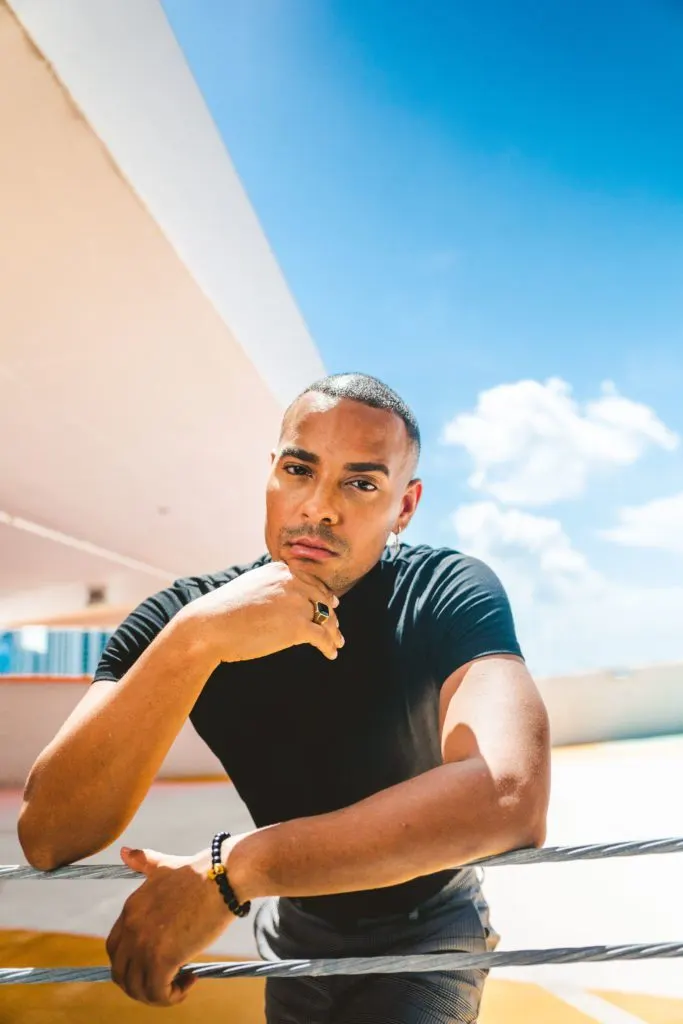
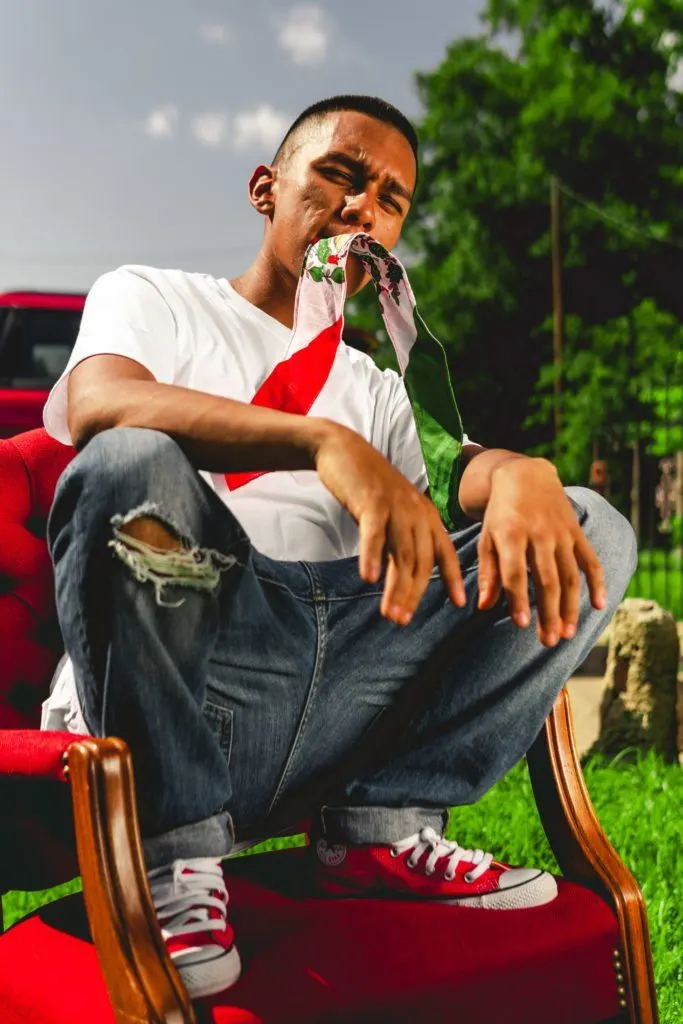
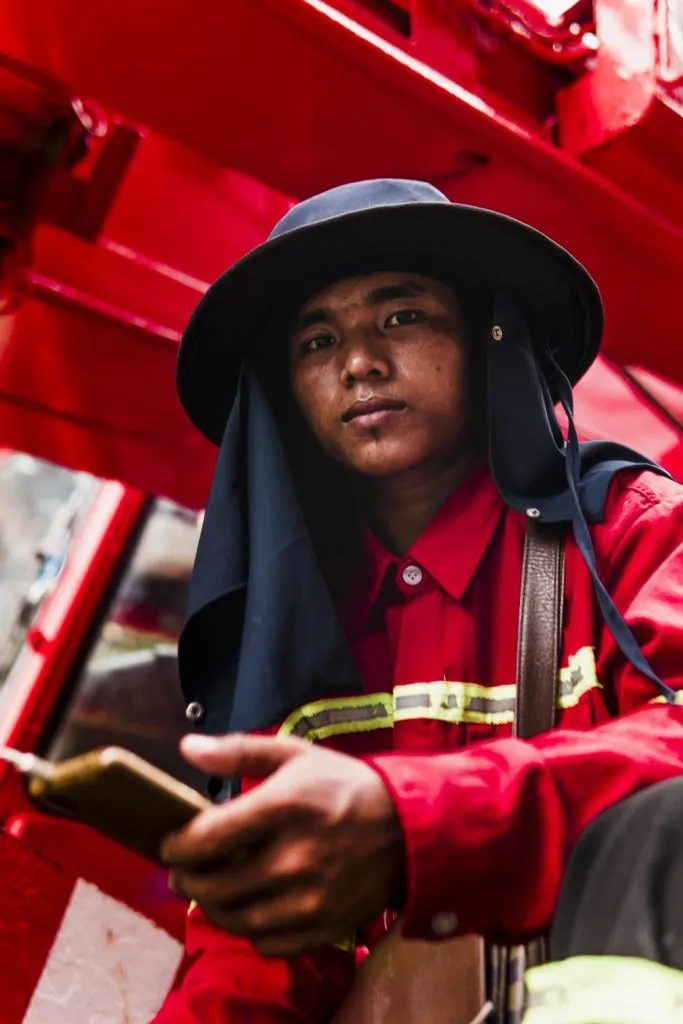
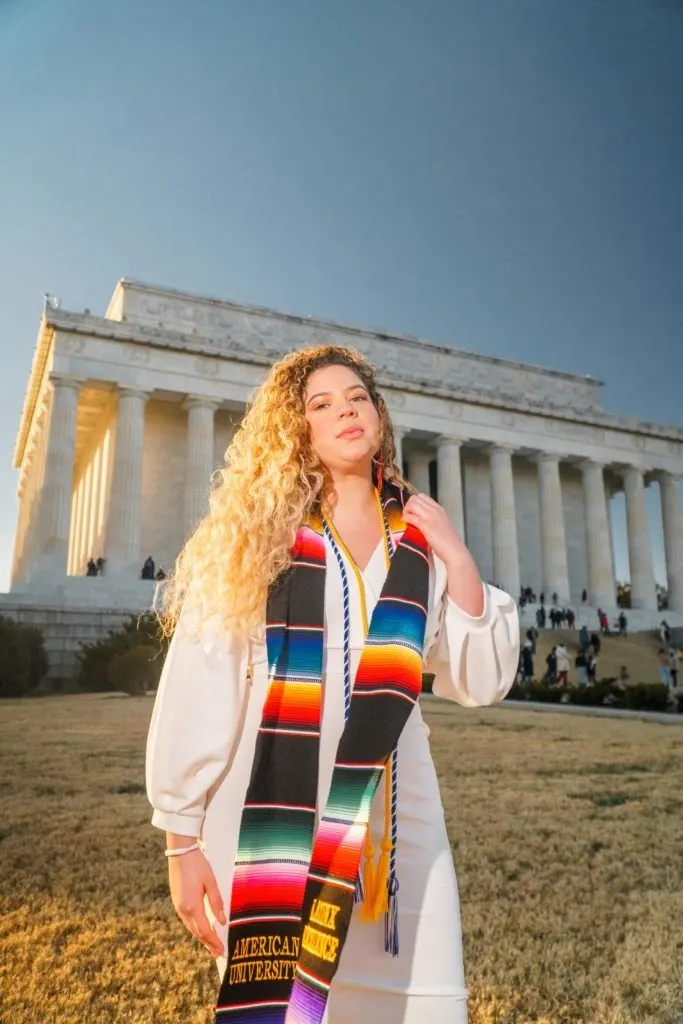
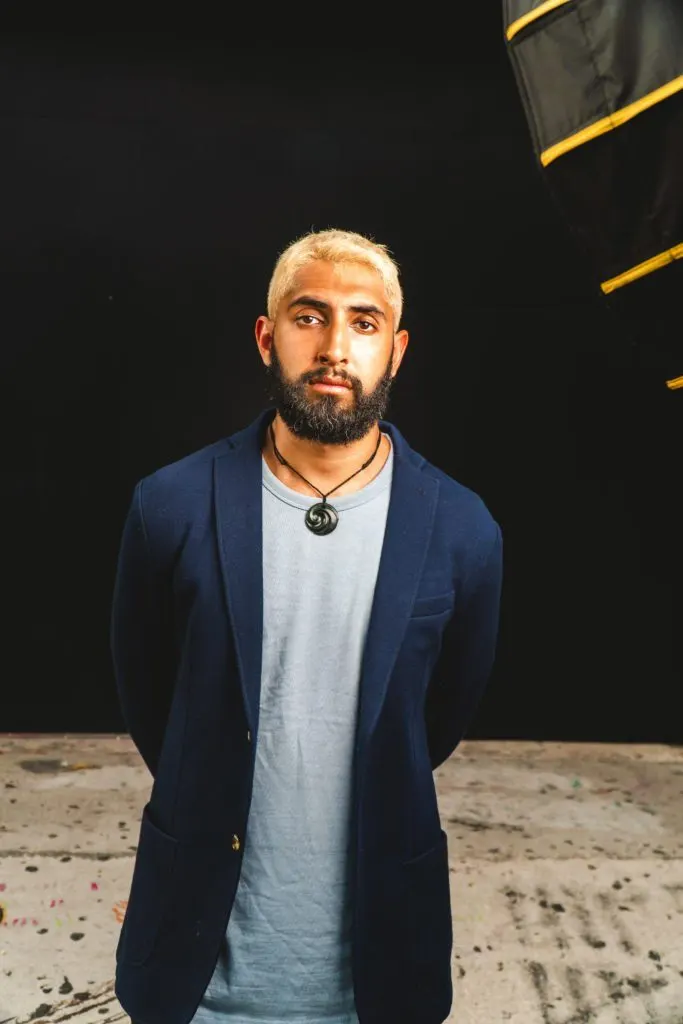
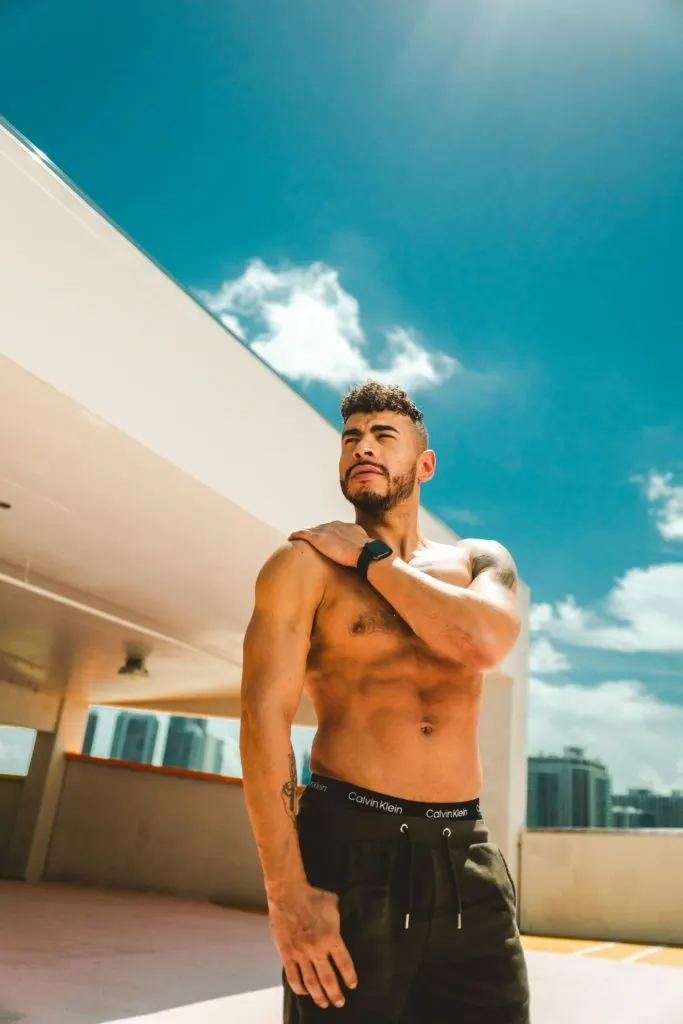
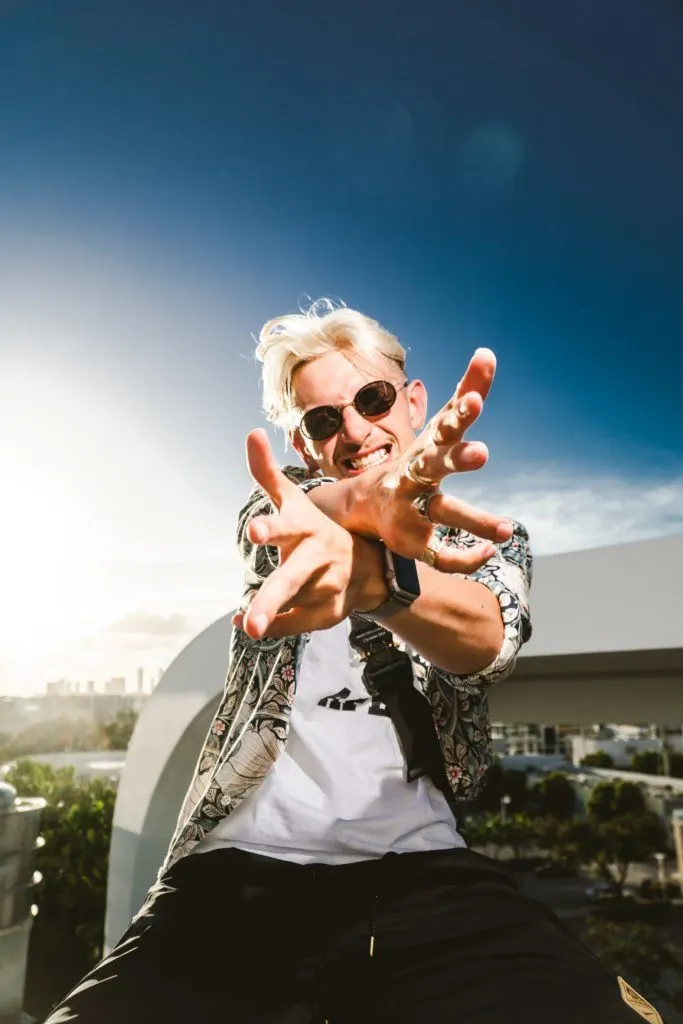
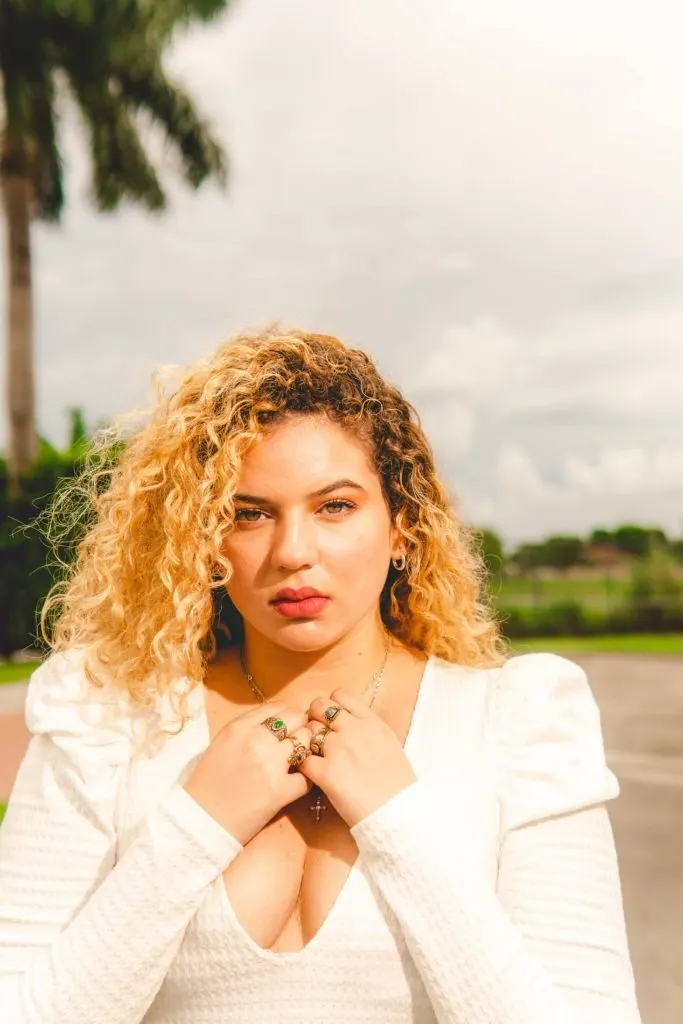
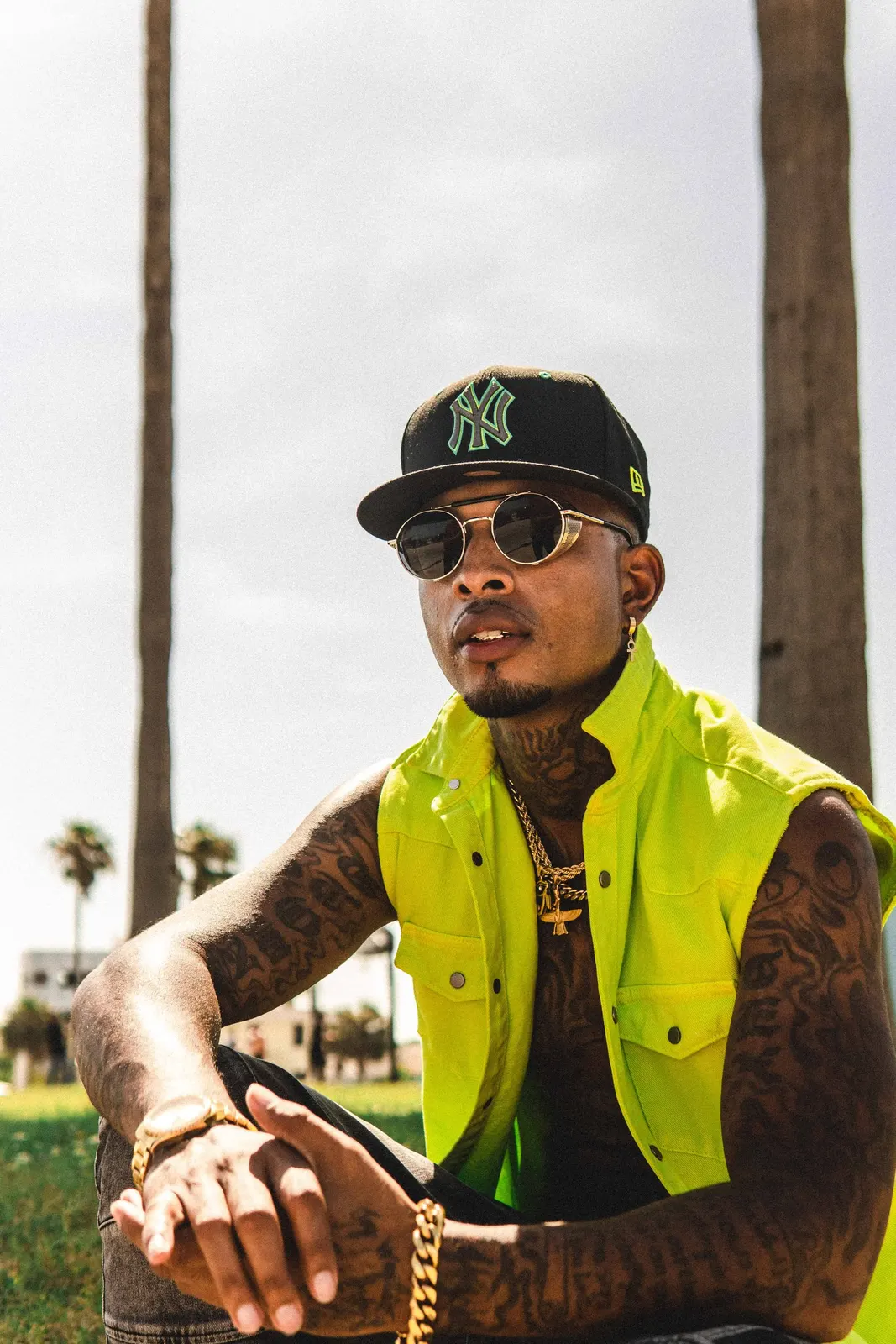
This service focuses on editorial portraits and campaign images. Below are three practical guides to prepare, stay composed during the session, and evaluate a useful variety of images. Each guide is written so designers, models, and brand teams know what to bring and expect from a fashion-focused portrait shoot.
Start with clear looks. Choose one hero outfit plus two to three supporting changes that vary silhouette, texture, or color. Bring accessories and at least one alternate shoe option. For models, rehearse a few signature poses but keep answers natural; the shoot benefits from small adjustments not from memorized motion. For designers and brands, bring a sample layout or mood image to show intent. Confirm hair and makeup timing so wardrobe changes do not overlap hair needs. Finally, consider simple props that support the concept. Avoid overly busy patterns that distract from fabric shape and model expression.
We use short, direct cues to shape posture and expression. Think small changes: shift weight, soften the jaw, alter shoulder angle, or change eye focus. For editorial portraits, try a mix of distant and closer framing. Start with relaxed stands and seated poses, then push into more pronounced angles for campaign frames. Keep hands purposeful; use sleeves, collars, or pockets to create lines. Speak in brief direction rather than long explanations to keep momentum. Allow room to experiment for one or two frames. A steady flow of simple adjustments yields authentic, varied images without contrived poses.
Aim for a balance between hero frames and supporting portraits. Hero frames are the bold images that read from a distance. Supporting portraits give texture and context with closer crops and different expressions. When reviewing on set, prioritize three to five distinctly different compositions per look: full body, three quarter, head and shoulders, and a close detail if relevant. Vary expression and eye line across those frames. For campaign work, include at least one image that reads clearly in both horizontal and vertical crops so images can be repurposed. A consistent lighting language across the set helps the series read as a coherent story.
A clear process keeps editorial shoots efficient and creative. Below are four practical stages to define an idea, plan looks, run a guided session, and shape a final set of varied portraits and campaign frames. Each stage focuses on decisions you can make before or during the shoot to keep the visuals consistent and purposeful.
Start by naming the main use for the images. Is the primary aim an editorial spread, a capsule campaign, or casting images for models and actors? Clarify the mood and target audience. A simple mood board with a few reference images makes intentions clear. Decide on hero images that must be achieved and any mandatory wardrobe or styling constraints. This stage keeps the shoot focused so time is used to create images that match a usable concept rather than chasing many unrelated looks.
Select the looks that support the goals and group them into settings that contrast or complement each other. For example pair a studio-lit high-contrast look with a softer outdoor portrait to show range. Note practical timing for makeup and wardrobe changes so each look gets enough time for setup and direction. Prepare simple lighting diagrams or reference photos for critical frames. When planning, prefer fewer strong concepts over many half-formed ideas to ensure every image supports the campaign or editorial intent.
During the shoot use concise direction to guide expression and posture. Start with a brief warm up to relax the model or talent, then move quickly into the hero frames while energy is highest. Switch to supporting portraits and details after the key images are captured. Keep changes deliberate and limit options to avoid decision fatigue. Use short, clear feedback and encourage small experiments once the main frames are secured. Time management is important so the creative choices get enough attention without rushing or overshooting.
As you capture images, check that each look produces a spread of framing and moods. Confirm full body, three quarter, head and shoulders, and a tight detail where appropriate. Ensure expressions and eye direction vary enough to give editorial and campaign options. Prioritize images that can be cropped differently without losing the subject or intent. This stage helps ensure the final set contains both standout hero images and supportive portraits that work together across media and platforms.
Contact for Rates
Contact us to discuss
Choose pieces that support the concept and photograph cleanly. Bring a hero outfit and two to three alternates that vary in shape, texture, and color. Include backup sizes and simple accessories to change the look without full wardrobe swaps. Avoid extremely busy logos or patterns that compete with fabric drape. For fabrics that crease easily bring a steamer. Label outfits and plan change order so styling and hair needs are efficient. Clear preparation saves setup time and helps maintain creative momentum during the shoot.
Direction is concise and visual. Expect short cues about weight distribution, shoulder angle, and eye line instead of long scripted poses. We start with relaxed, natural positions and then move to more editorial angles for campaign frames. Small changes in hand placement and head tilt make a big difference. If you have a signature pose, mention it and we can adapt it to the shoot. The aim is to keep expressions authentic and to create a range of frames that feel intentional without looking forced.
Both studio and location shoots are options depending on the concept. Studio sessions give tighter control over lighting for high contrast, refined portraits. Location sessions offer environmental context, texture, and varied backgrounds for lifestyle editorial work. When choosing a location consider logistics like transport, changing space, and weather. For campaign work, mixing studio hero frames with one or two location shots can give a broader set of images while maintaining a consistent visual language.
Look for a set that balances hero images and supporting portraits. Hero images should be strong from a distance and convey the main concept. Supporting portraits provide closer detail, alternate expressions, and outfit context. Consider which frames crop well for vertical and horizontal formats. Keep lighting and color consistent across chosen images so they read as a series. If you have a specific platform or placement in mind, prioritize images that fit that format while retaining alternate crops for other uses.
Build time for hair and makeup, wardrobe changes, and a relaxed warm up. Allow more time for complex looks or elaborate styling. Start with the strongest looks while energy is highest, then move to alternate outfits. Keep transitions deliberate to prevent rushed styling. If shooting on location factor in travel and setup. A clear plan of hero frames plus supporting portraits helps keep the session on track and ensures the most important images are captured early in the day.
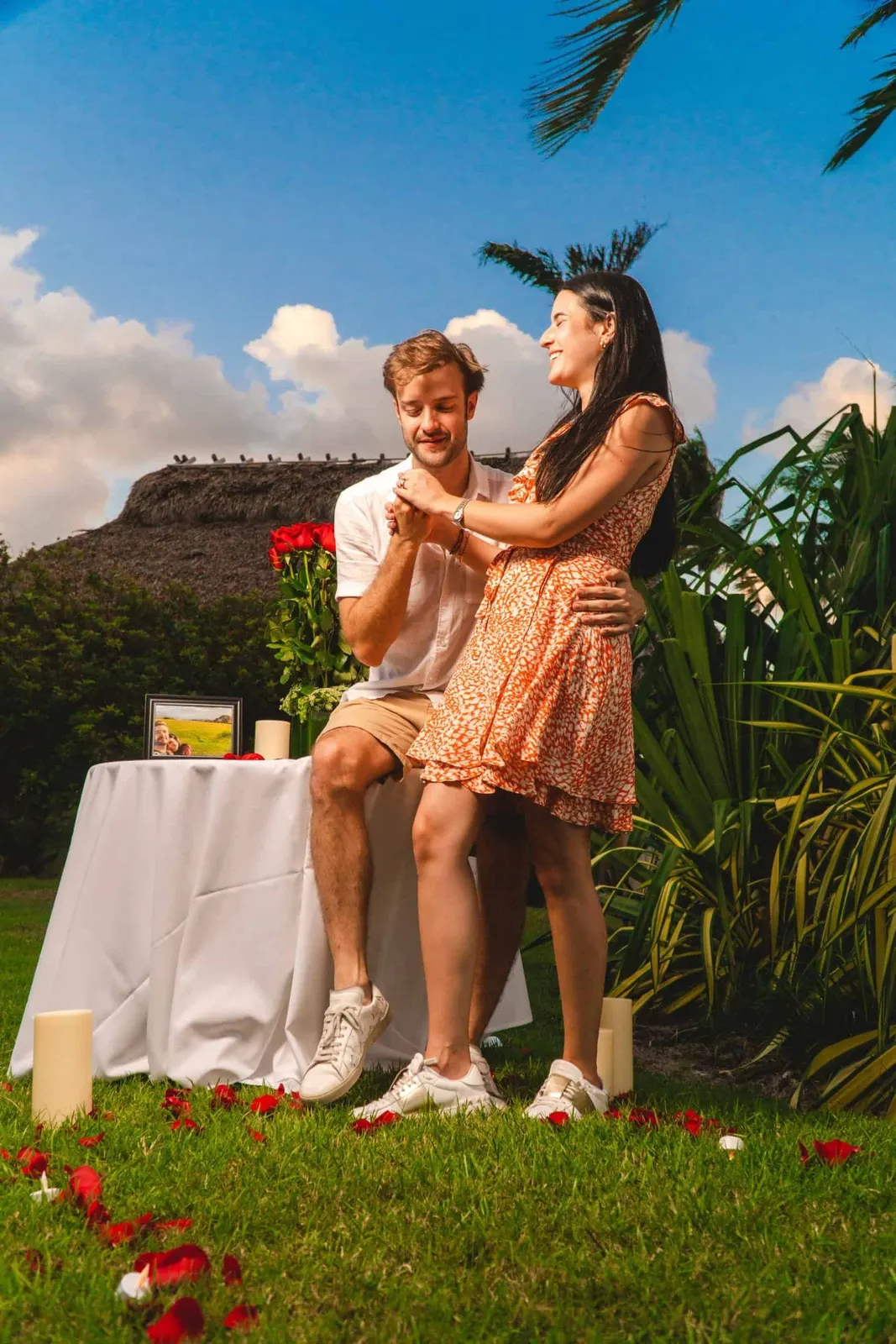
For couples who want honest ceremony photos, true portraits, and natural candid moments.
Learn more →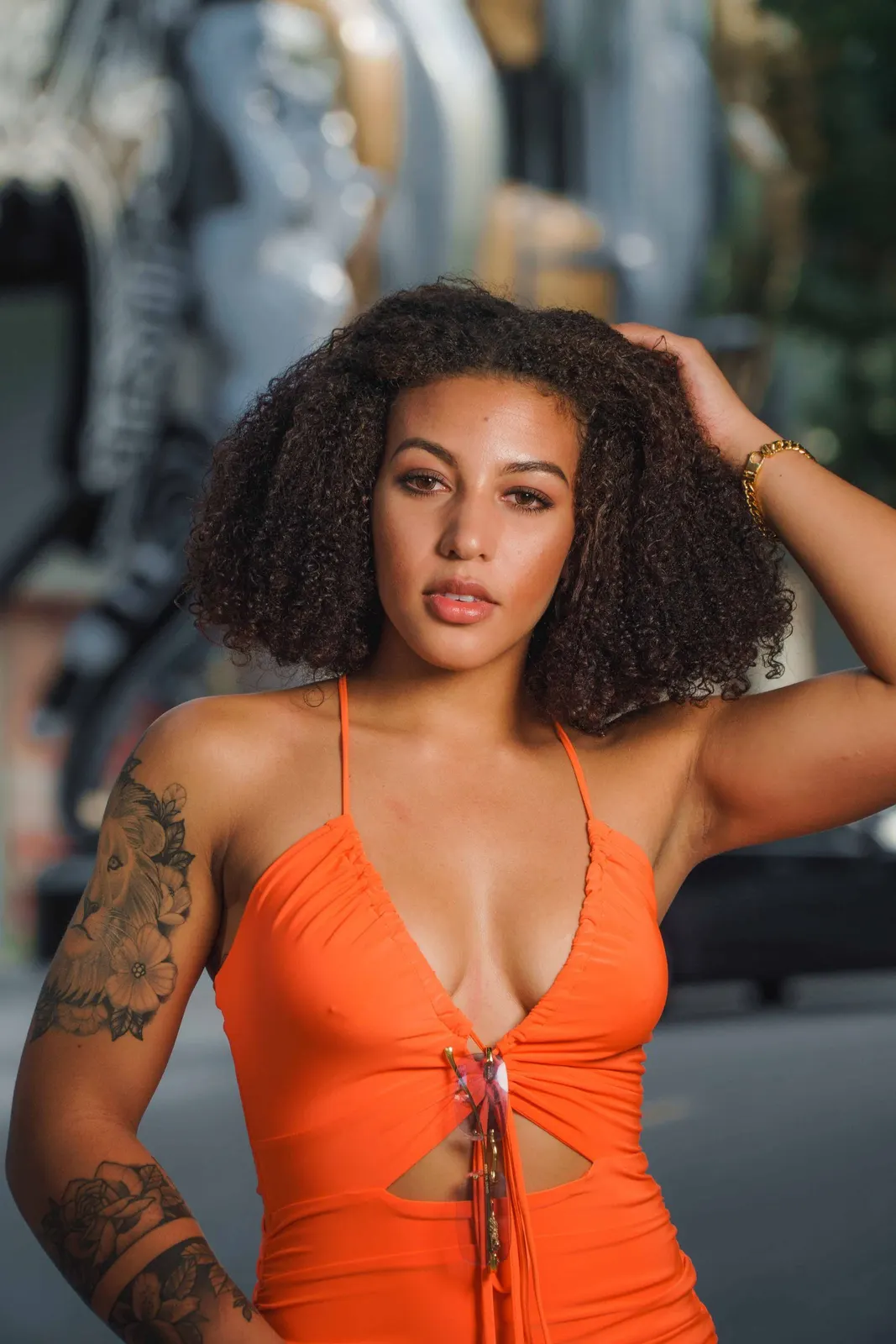
Portrait sessions for dating profiles, actor headshots, and everyday portraits.
Learn more →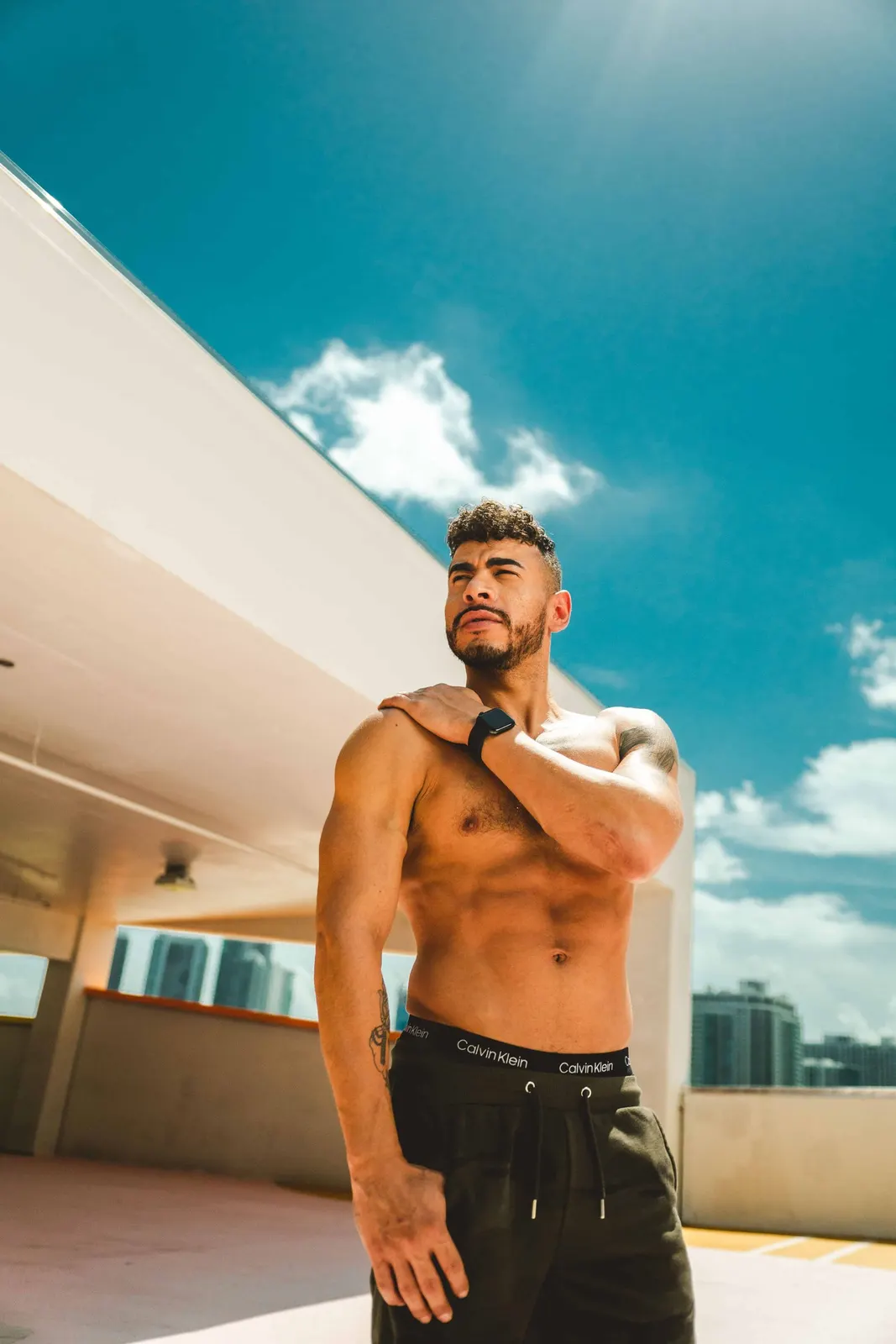
Content sessions and social-ready image sets for creators, small brands, and professionals who need steady…
Learn more →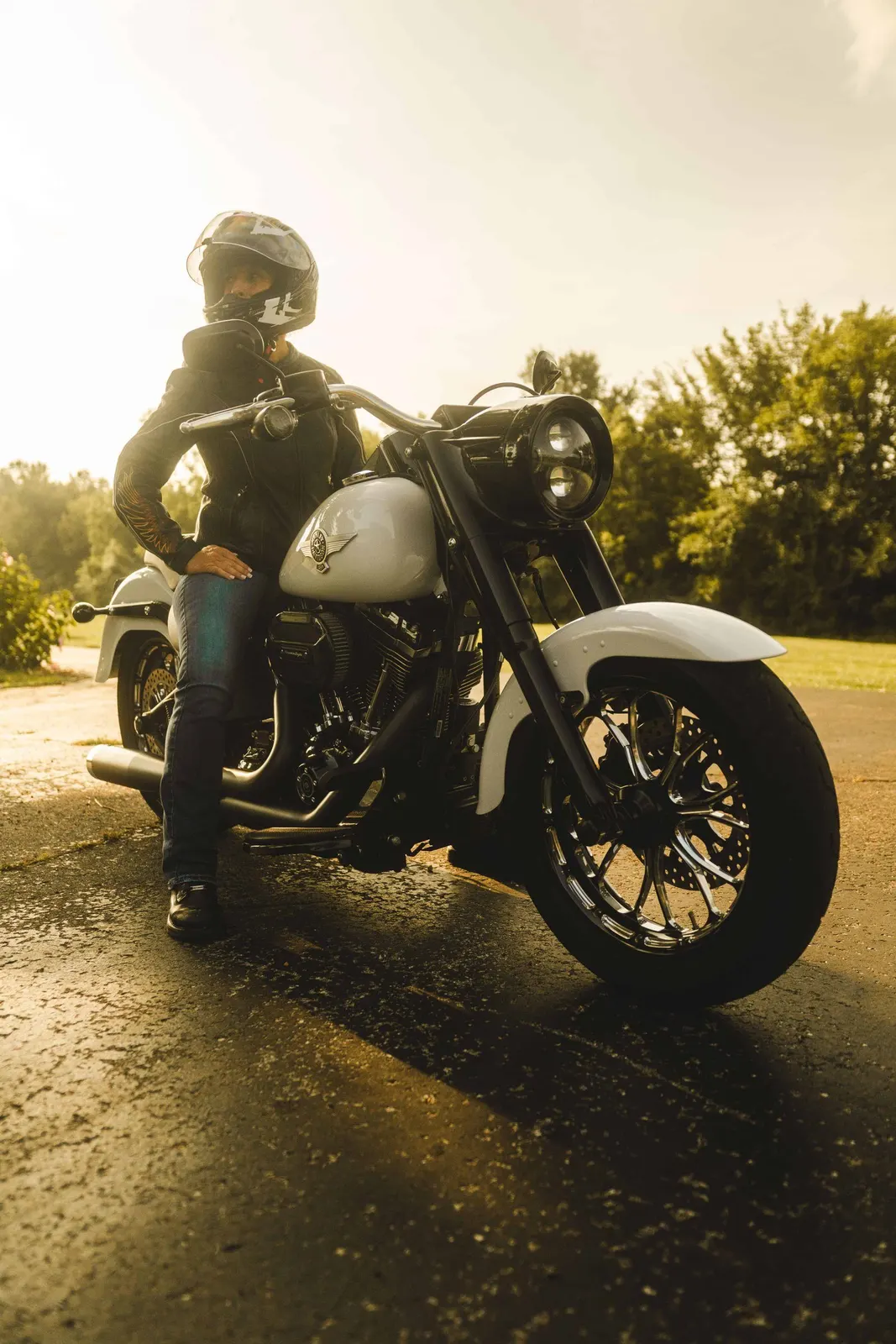
For teams and leaders who need clear, human business portraits.
Learn more →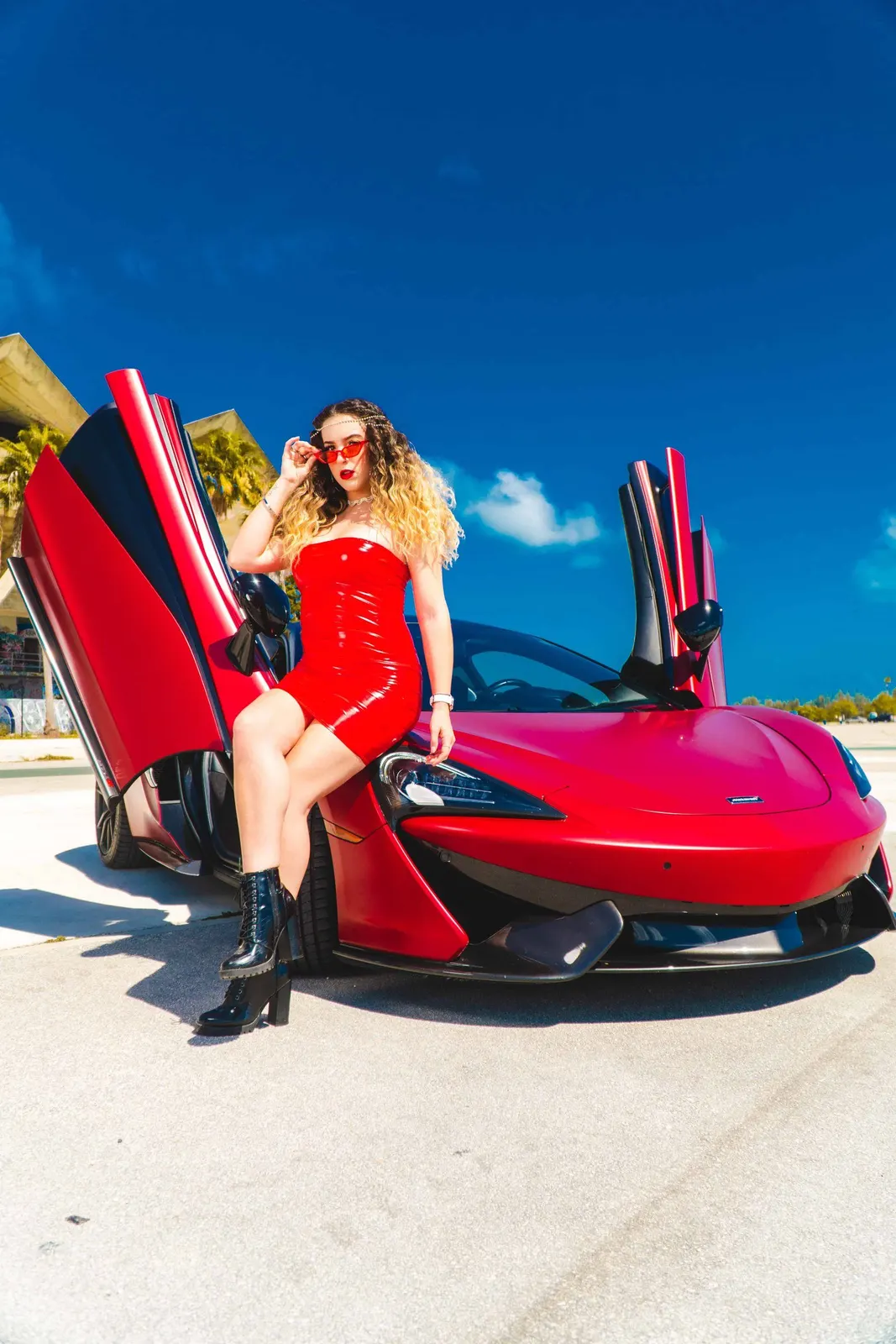
Portraits and press photography for musicians, visual artists, and creative projects.
Learn more →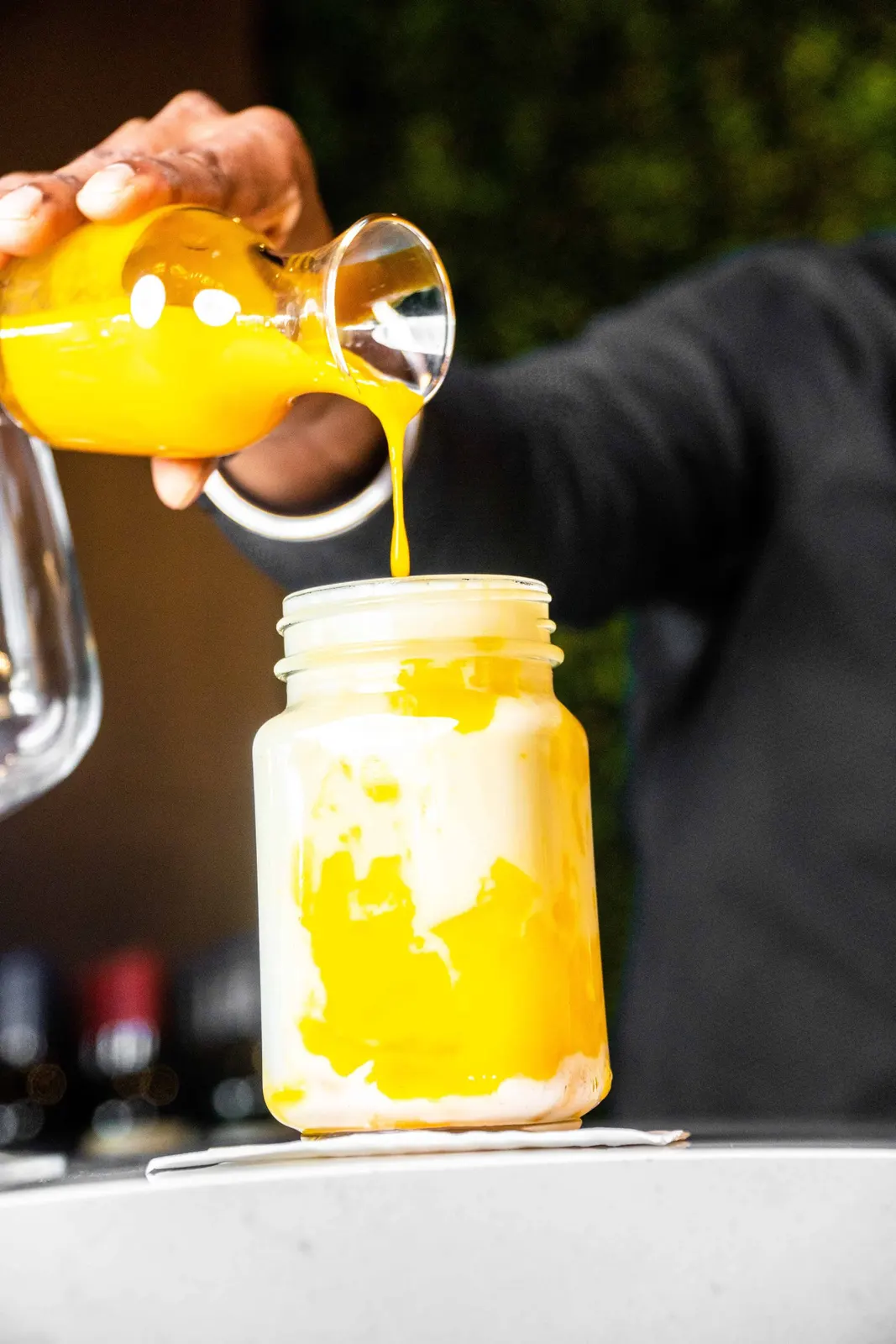
Food photography for restaurants, chefs, and menus in Miami.
Learn more →Session Planning
When you reach out, share the shoot concept, number of looks, preferred setting, and any mandatory styling or use cases so we can outline a targeted plan.
Send a message and we will reply by text or email.
Please add a valid phone number or email so we can reach you.